
Suspension Problems Durban
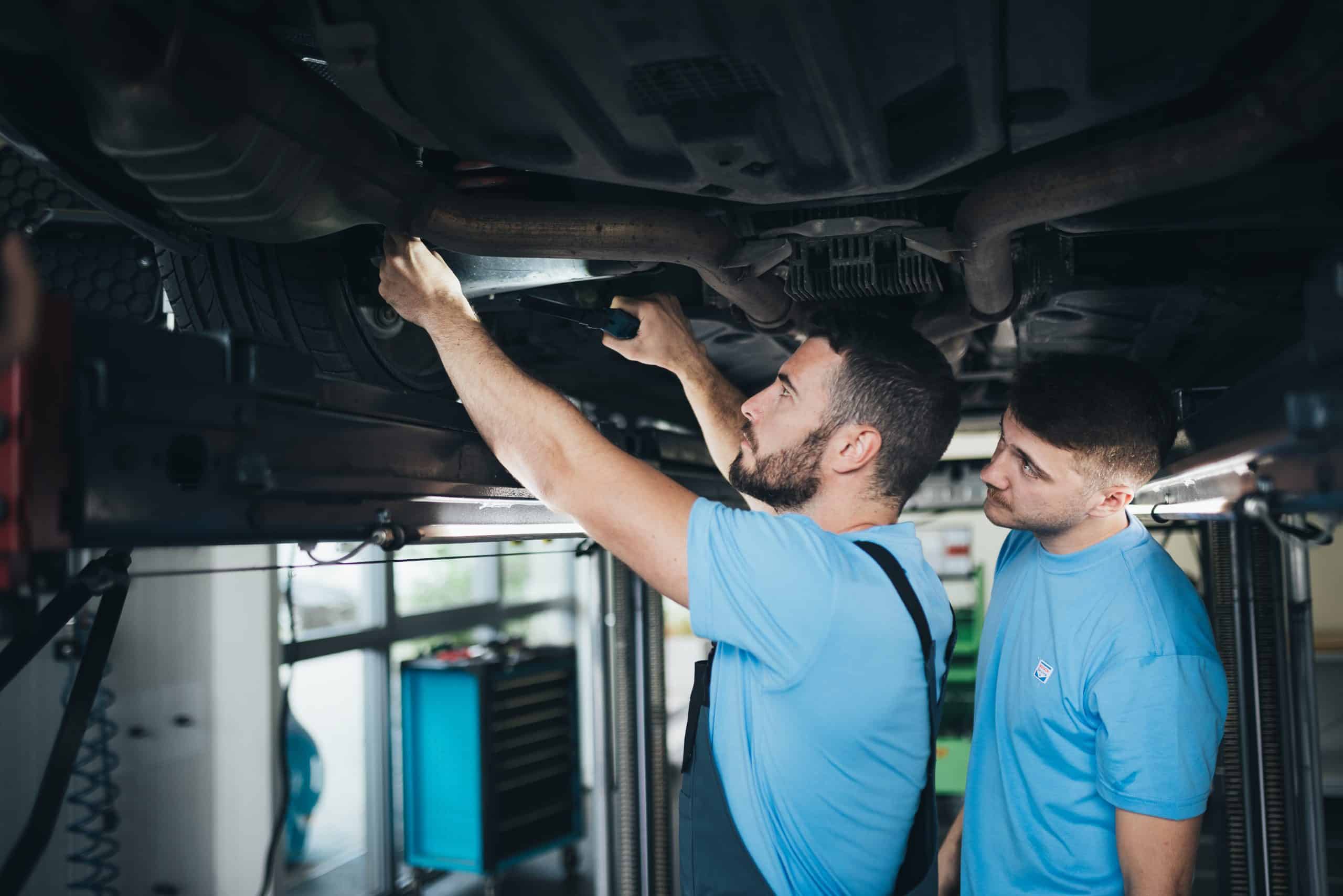
Suspension problems in Durban often start as a small noise, vibration or uneven tyre wear. Left too long, they can affect braking, steering, comfort and the way the vehicle handles on rough roads.
Suspension Problems Durban: What Drivers Should Know
Durban motorists deal with heat, coastal air, busy weekday traffic and mixed road conditions. That makes preventive maintenance more than a nice-to-have. The right workshop should help you understand the symptom, check the vehicle properly and give you a practical recommendation before small problems become expensive repairs.
Why suspension matters for safety
The suspension keeps the tyres in proper contact with the road. Worn shocks, bushes, control arms or ball joints can make the car feel loose, unstable or noisy. Good suspension supports braking stability and predictable steering.
Warning signs to watch for
Common signs include clunking over bumps, knocking when turning, steering vibration, uneven tyre wear, the car pulling to one side, nose-diving under braking, bouncing after bumps or rattles from underneath.
Durban road conditions and wear
Potholes, speed bumps, rough surfaces and stop-start urban driving can speed up suspension wear. Drivers may adapt to the noise over time, but the vehicle may be wearing tyres and components faster than normal.
A vibration can have more than one cause. Compare our guides to bad wheel bearing symptoms, CV joint symptoms and a car vibrating when accelerating. For pulling or uneven tyre wear, read when to arrange a wheel alignment inspection in Durban.
Why an inspection is better than guessing
Several parts can create similar noises. A workshop inspection helps identify whether the issue is shocks, mounts, bushes, steering components, wheel bearings or brakes. Replacing the wrong part wastes money and leaves the problem unresolved.
What to tell the workshop when you enquire
To get a useful answer, send the vehicle make, model, year, mileage, fuel type and the main symptom. Mention when the issue started, whether it happens when the car is cold or hot, whether any dashboard warning lights are showing, and whether the vehicle was recently serviced or repaired. This helps the workshop prepare properly before the car arrives.
Photos and short videos can also help when the issue is visible or audible. A noise over bumps, a warning light on the cluster, coolant on the floor or smoke from the exhaust may point the technician in the right direction before the inspection begins. The final diagnosis should still happen at the workshop, but good information saves time.
Why Bosch Car Service standards help
DNA Auto Centre operates in the Bosch Car Service ecosystem, which gives Durban drivers a clearer trust signal than a generic garage listing. Drivers can also learn more about the broader Bosch Car Service network when comparing workshop options. The important point for customers is simple: choose a workshop that combines local access with proper inspection processes.
How to prevent repeat problems
The best repair is usually the one you avoid through steady maintenance. Keep a record of service dates, mileage, warning lights, repairs and parts replaced. Do not ignore small changes in how the car starts, brakes, idles, steers or cools. Durban drivers who use their vehicles daily should treat unusual sounds and dashboard lights as early warning signs, not background noise.
When a vehicle is used for work, school runs or long-distance trips, plan maintenance before peak travel periods. A pre-trip inspection, fluid check, brake check and diagnostic scan can reduce the chance of being stranded. For business vehicles, planned maintenance also protects bookings, deliveries and staff productivity.
Helpful DNA Auto Centre pages
- Request a Bosch-certified quote
- Car service at DNA Auto Centre
- Vehicle diagnostics in Durban
- RMI approved workshop information
Book a trusted Durban workshop inspection
If your vehicle is due for service, showing warning signs or making a noise you do not recognise, book an inspection with DNA Auto Centre. A clear check now can protect the car, reduce guesswork and help you avoid unnecessary repair costs.
Request a quote from DNA Auto Centre or visit the DNA Auto Centre website to contact the team.
Related DNA Auto Centre guides
These related guides can help Durban drivers choose the right next step before booking a workshop inspection:
- brake warning signs Durban drivers should not ignore
- brake and clutch repairs in Durban
- nearest garage to me in Durban
What a suspension inspection should establish
An inspection should separate the symptom you notice from the component responsible. Tell the technician whether the noise comes from the front or rear, whether it happens over bumps or while turning, and whether the vehicle pulls on a level road. Avoid trying to reproduce a fault at speed. A controlled assessment is safer than repeatedly driving over a pothole to demonstrate the sound.
The workshop may check tyre condition and pressures, visible damage, fluid leakage around dampers, mounting points and play in steering or suspension joints. The exact checks depend on the vehicle and symptoms. Alignment readings alone cannot repair a worn joint or damaged tyre. Where a mechanical fault is found, ask whether it needs to be corrected before alignment is carried out.
Before approving suspension repairs
Ask for an itemised quote identifying the affected components, labour and any follow-up alignment. Find out which work is needed for safety and which items can be monitored. Prices vary by vehicle and by the condition of related parts, so an inspection is more useful than a universal replacement price.
After repairs, keep the invoice with your service records and report any remaining noise or pulling. Do not assume that every vibration has the same cause: tyres, wheels, brakes and drivetrain components can produce similar symptoms. If steering becomes difficult, a wheel appears damaged or the vehicle feels unstable, stop somewhere safe and arrange professional assistance rather than continuing your journey.
FAQs
Can suspension problems affect tyres?
Yes. Worn or loose suspension components can cause uneven tyre wear and poor alignment.
Is a clunking noise always suspension?
Not always. It could also be brakes, mounts or steering components.
Should suspension be checked during a service?
Yes, it is a sensible part of a proper vehicle inspection.