

Car Vibrating When Accelerating? Causes and Safety Advice
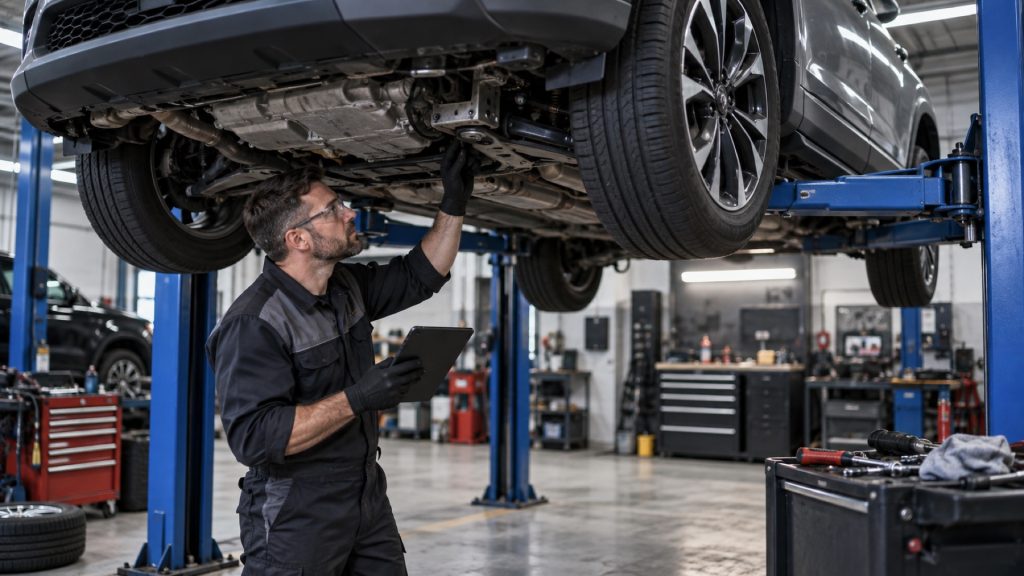
car vibrating when accelerating: A car vibrating when accelerating can have worn CV joints, damaged engine or gearbox mounts, wheel and tyre faults, driveshaft imbalance or an engine misfire. The speed, load and location of the vibration help narrow the cause, but a road test and physical inspection are the safest way to avoid replacing the wrong part.
For drivers in Durban and Durban North, vibration is a symptom, not a diagnosis. Note whether it follows engine speed or road speed, appears only under load and whether the steering wheel, seat or whole body shakes.
DNA Auto Centre supports all makes and models with professional vehicle servicing and diagnostic testing. This guide explains what the symptom can mean, what a technician checks and when you should stop driving.
car vibrating when accelerating: the most important warning signs
No single symptom identifies a failed part with certainty. Look for a pattern and share it with the technician.
- Vibration only under throttle: A shake that reduces when coasting often points toward mounts, inner CV joints, driveshafts or engine performance.
- Steering wheel shakes: Front tyre, wheel, hub or suspension faults are more likely when vibration is strongest through the steering.
- Seat or floor vibrates: Rear wheels, propshafts, exhaust contact or drivetrain mounts may transmit vibration through the body.
- Engine hesitates or warning light flashes: A misfire can create strong vibration and may damage the catalytic converter if driving continues.
- Clunk accompanies the shake: Free play in a mount, joint or shaft can create impact noise and vibration as torque changes.
Common causes technicians investigate
A car vibrating when accelerating can have several causes. The correct repair depends on evidence from the vehicle.
- CV joint or driveshaft wear: Worn inner joints often become obvious under acceleration.
- Engine or gearbox mount: A collapsed mount allows normal engine movement to reach the cabin.
- Wheel and tyre fault: Bent wheels, separated tyres, incorrect balance or uneven wear create speed-related shaking.
- Engine misfire: Ignition, fuel, air or compression problems can make the engine run unevenly under load.
- Propshaft or universal joint: Rear- and all-wheel-drive vehicles may vibrate when shaft components wear or lose balance.
How the problem is diagnosed
Diagnosing a car vibrating when accelerating starts by recording when the vibration appears, followed by a safe road test. Tyres, wheels, hubs, shafts, mounts and suspension are checked before diagnostic data is reviewed for misfires or engine faults. Testing in this order separates mechanical rotation problems from combustion problems.
A scan tool is valuable, but a fault code does not automatically name the failed part. Good diagnosis combines the driver’s description, a visual inspection, road testing, measurements and manufacturer information.
Related information is available in our engine diagnostic test, CV and suspension inspection guidance and clutch and gearbox repairs.
What to note before your workshop visit
When reporting a car vibrating when accelerating, write down whether the problem happens with a cold or warm engine, at a particular speed, while turning or climbing, and whether a dashboard warning appeared. Note recent tyre replacement, pothole impacts or repairs.
Do not clear warning codes or disconnect the battery immediately before the appointment unless safety requires it. Bring the service history and describe changes in fuel use, starting and performance accurately.
Can you continue driving?
Reduce speed and avoid heavy acceleration until the cause is known. Stop if a tyre bulge is visible, the steering becomes unstable, a warning light flashes or the vibration suddenly worsens. Those signs can indicate an immediate tyre, wheel or engine risk.
If you are unsure, move out of traffic safely, switch the vehicle off and call the workshop or roadside assistance. Do not continue simply because the vehicle can still move.
How to reduce repeat vibration
To prevent a car vibrating when accelerating, keep tyres correctly inflated, investigate impact damage quickly and replace worn boots or mounts before related components are overloaded. Regular servicing helps identify leaks, misfires and joint wear while symptoms are still mild.
Durban’s heat, humidity, stop-start traffic and damaged road surfaces can expose weak components sooner. Pair services with monthly tyre, fluid and warning-light checks.
Why a professional inspection matters
Several faults can cause a car vibrating when accelerating. Replacing the most obvious part without testing can waste money and delay the correct repair. A professional workshop can compare physical condition with diagnostic data and explain which work is urgent.
For broader road-safety guidance, see the South African Government roadworthiness guidance. Read about international repair standards at Bosch Car Service.
How vibration location helps diagnosis
Where you feel a vibration is a useful clue. Shaking through the steering wheel often directs attention toward front tyres, wheels, hubs or suspension. Movement through the seat and floor may point to rear wheels, a propshaft or drivetrain mounts. A pulsing engine under load may indicate a misfire rather than a rotating wheel problem.
Speed matters too. A wheel imbalance usually follows road speed, while an engine fault may follow engine revolutions and gear choice. If the shake appears only when torque is applied and reduces when coasting, the technician will pay close attention to inner CV joints, shafts and mounts. These clues guide testing, but they should not be used to order parts without inspection.
Frequently asked questions
Why does the vibration stop when I lift off the accelerator?
Removing torque unloads mounts and drivetrain joints, which can temporarily reduce the symptom.
Can bad tyres cause acceleration vibration?
Yes, although tyre-related vibration often follows road speed even while coasting.
Can an engine misfire feel like a drivetrain problem?
Yes. Scan data and a road test help distinguish them.
Is it safe to drive with vibration?
A gentle trip to a workshop may be possible when the car remains stable, but severe or sudden vibration should not be ignored.
Will wheel balancing always fix it?
No. Balancing only addresses wheel-and-tyre mass imbalance, not mounts, joints, shafts or misfires.
Book an inspection at DNA Auto Centre
If your car is vibrating when accelerating, book an inspection before the problem becomes more expensive or unsafe. DNA Auto Centre in Briardene serves Durban motorists with professional diagnostics, servicing and mechanical repairs for all makes and models.
Call 031 569 1417 or WhatsApp 084 253 3043 to request an assessment.