

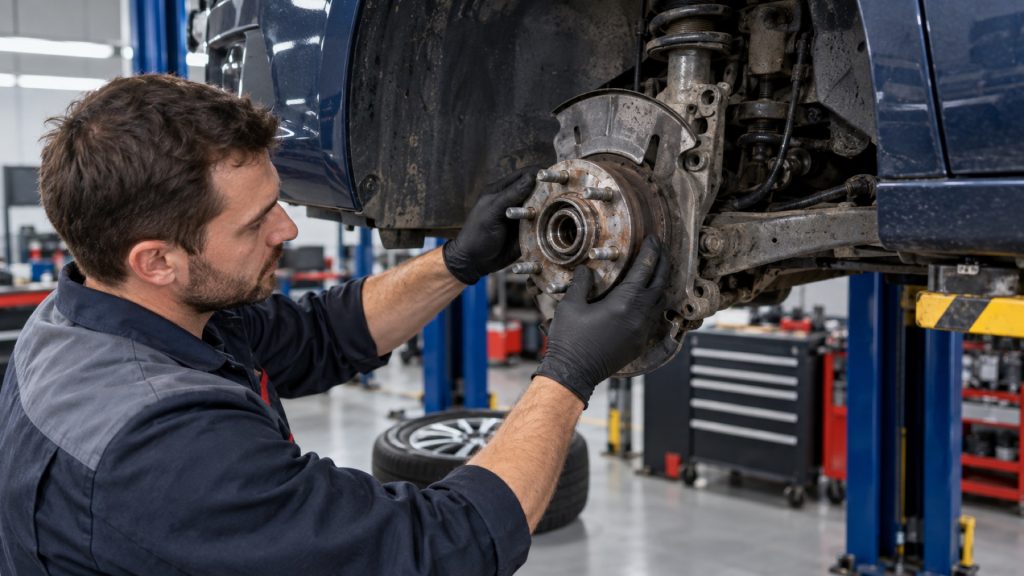
Bad Wheel Bearing Symptoms: What Durban Drivers Should Know
bad wheel bearing symptoms: Bad wheel bearing symptoms commonly include a humming or growling sound that increases with road speed, vibration through the vehicle, uneven tyre wear and looseness at the wheel. Because a bearing supports the wheel and allows it to rotate smoothly, significant wear can affect steering stability, braking and safety.
Drivers researching bad wheel bearing symptoms in Durban and Durban North should the safest response is to note exactly when the symptom appears and arrange a proper inspection before a minor fault becomes a breakdown. Potholes, kerb impacts, water contamination and long-term wear can all shorten bearing life. Durban traffic may hide the noise at low speed, while faster routes often make the humming much easier to hear.
DNA Auto Centre supports all makes and models with professional vehicle servicing and diagnostic testing. This guide explains what the symptom can mean, what a technician checks and when you should stop driving.
bad wheel bearing symptoms: the most important warning signs
No single symptom identifies a failed part with certainty. Look for a pattern and share it with the technician. These are the most useful clues:
- Humming or growling with speed: The sound often becomes louder as speed rises and may change when the vehicle turns and loads one side.
- Vibration through the steering or body: Bearing wear can create rough rotation that is felt through the floor, seat or steering wheel.
- Wheel play or looseness: Movement at the hub during a lifted inspection can indicate advanced wear, although some bearing designs need specialised testing.
- Uneven tyre wear: Excess movement can alter how the tyre contacts the road, but alignment and suspension faults must also be checked.
- ABS warning light: Many modern hubs incorporate a wheel-speed sensor. Bearing or sensor-ring damage can trigger an ABS fault.
Common causes technicians investigate
Bad wheel bearing symptoms can have several causes. The correct repair depends on evidence from the vehicle. These are common possibilities, not a substitute for inspection:
- Normal mileage wear: Grease and internal rolling surfaces deteriorate gradually after thousands of kilometres.
- Pothole or kerb impact: A hard impact can damage the bearing race even when the tyre and rim appear usable.
- Water or dirt contamination: A failed seal allows contamination to displace grease and corrode internal surfaces.
- Incorrect installation: Wrong torque, impact-tool misuse or pressing through the incorrect race can damage a new bearing.
- Related hub or suspension damage: Bent components, worn joints and incorrect wheel fitment may place abnormal load on the bearing.
How the problem is diagnosed
Diagnosing bad wheel bearing symptoms correctly matters. A technician road-tests the car to identify when the sound changes, then checks the tyres, brakes, CV joints and suspension because they can create similar noises. With the vehicle lifted, wheel movement and rotational roughness are assessed. Electronic diagnosis may also be needed if the ABS system reports an inconsistent wheel-speed signal.
A scan tool is valuable, but a fault code does not automatically name the failed part. Good diagnosis combines the driver’s description, a visual inspection, road testing when safe, measurements and manufacturer information. That process protects you from paying for unnecessary parts.
Related information is available in our suspension problems in Durban, ABS repairs near Durban and professional car diagnostics. These pages explain the next step without forcing several different search intents into one article.
What to note before your workshop visit
When reporting bad wheel bearing symptoms, useful details can shorten diagnostic time. Write down whether the problem happens with a cold or warm engine, at a particular speed, while turning, braking or accelerating, and whether a dashboard warning appeared. Note any recent service, tyre replacement, pothole impact, overheating incident or repair that happened before the symptom started. If the vehicle makes an intermittent sound, a short recording may help the technician understand what you heard, although it cannot replace a physical inspection.
Do not clean away a fresh leak, clear warning codes or disconnect the battery immediately before the appointment unless safety requires it. Those clues may help locate the original fault. Bring the service history and describe changes in fuel use, fluid levels, starting behaviour and performance as accurately as possible.
Can you continue driving?
Bad wheel bearing symptoms should not be ignored. A mild hum should be booked promptly, while grinding, obvious wheel movement, unstable steering or an ABS warning requires urgent attention. Severe bearing failure can overheat the hub, damage nearby components and reduce control. Avoid long high-speed trips until the source is confirmed.
If you are unsure, choose the cautious option. Move out of traffic if it is safe, switch the vehicle off and call the workshop or roadside assistance. Do not continue simply because the vehicle can still move; some faults cause damage very quickly once a warning becomes obvious.
How to reduce the chance of repeat problems
To prevent bad wheel bearing symptoms returning, use correct wheel and tyre specifications, slow down for damaged roads and have suspension noises checked early. When a bearing is replaced, correct parts, clean fitting surfaces and manufacturer torque settings matter as much as the bearing itself.
Durban’s heat, humidity, stop-start traffic and damaged road surfaces can expose weak components sooner. Regular inspections are most useful when they are paired with your own monthly checks: tyre pressure and condition, fluid levels, warning lights, new noises and any fresh marks beneath the vehicle.
Why a professional inspection matters
Several vehicle faults can mimic bad wheel bearing symptoms. Replacing the most obvious part without testing can waste money and delay the correct repair. A professional workshop can compare physical condition with diagnostic data and explain which work is urgent, which is routine and which can be monitored.
For broader road-safety guidance, see the South African Government roadworthiness guidance. You can also read about the international service standards and repair categories described by Bosch Car Service.
Frequently asked questions
What does a bad wheel bearing sound like?
Usually a hum, drone or growl that follows road speed rather than engine speed.
Does the noise change when turning?
It often does because cornering changes the load on the left and right bearings.
Can tyre noise sound like a bearing?
Yes. Cupped or uneven tyres can produce a similar drone, which is why a complete inspection matters.
Should both wheel bearings be replaced?
Not automatically. The opposite side should be inspected and replaced only when its condition justifies it.
Can a bad bearing affect ABS?
Yes, particularly when the wheel-speed sensor or magnetic encoder is integrated into the hub.
Book an inspection at DNA Auto Centre
If you are experiencing bad wheel bearing symptoms, book an inspection before the problem becomes more expensive or unsafe. DNA Auto Centre in Briardene serves Durban motorists with professional diagnostics, servicing and mechanical repairs for all makes and models.
Call 031 569 1417 or WhatsApp 084 253 3043 to request an assessment.